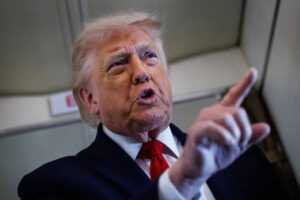
President Donald Trump has canceled planned military strikes against Iran just hours after publicly warning that the United States could launch a major attack, marking another dramatic turn in the escalating tensions between Washington and Tehran.
According to reports, the strikes were scheduled for Thursday evening but were called off after what Trump described as progress in ongoing negotiations involving Iranian leaders and several countries in the Middle East. The U.S. president announced the decision on social media, saying discussions had reached a level that justified delaying military action.
The reversal came after Trump had earlier threatened to hit Iran “very hard” and suggested the possibility of targeting strategic locations tied to Iran’s oil industry. His comments heightened fears of a wider conflict in the Middle East and triggered concerns in global energy markets.
Despite canceling the planned strikes, Trump indicated that pressure on Iran would continue. Reports suggest that a U.S. naval blockade targeting Iranian trade and shipping routes remains in effect while negotiations continue. The administration has maintained that military options remain available if diplomatic efforts fail.
The latest developments follow months of conflict and failed ceasefire efforts between the United States and Iran. Recent military exchanges, including U.S. strikes on Iranian targets and retaliatory actions by Iran, have increased tensions across the region. Both sides have accused each other of undermining peace efforts while continuing to prepare for potential escalation.
Energy markets reacted nervously to the uncertainty. Iran’s threats regarding the Strait of Hormuz, one of the world’s most important oil shipping routes, have raised concerns about global energy supplies. Analysts warn that any disruption in the region could affect oil prices and international trade.
Trump said the decision to cancel the strikes was influenced by ongoing diplomatic discussions and support from several regional allies. Countries including Saudi Arabia, Qatar, the United Arab Emirates, and others have reportedly encouraged continued negotiations in an effort to avoid a broader military conflict.
While the immediate threat of military action appears to have eased, the situation remains highly volatile. Officials on both sides continue to exchange warnings, and analysts caution that the risk of renewed hostilities remains significant if negotiations fail to produce a lasting agreement.
For now, Trump’s decision has temporarily reduced fears of an imminent U.S. attack on Iran, but uncertainty continues to surround the future of relations between the two nations. Observers around the world will be closely watching whether diplomacy succeeds or whether tensions once again move toward military confrontation.
Leave a Reply